
受疫情影響,幼稚園在停止面授課堂期間,需要運用其他模式讓兒童在家中學習。我們慶幸幼稚園業界擁有投入及專業的團隊,即使面對前所未有的衝擊和挑戰,仍然保持積極樂觀的心態,彼此扶持。大家憑着對幼兒教育的熱忱,發揮無限創意,設計富趣味的學習活動,並協同家長的力量,幫助兒童維持學習興趣和促進身心發展。
Written by:Dr. Wilbert Law, an assistant professor in the psychology department at Hong Kong University of Education and a registered educational psychologist.
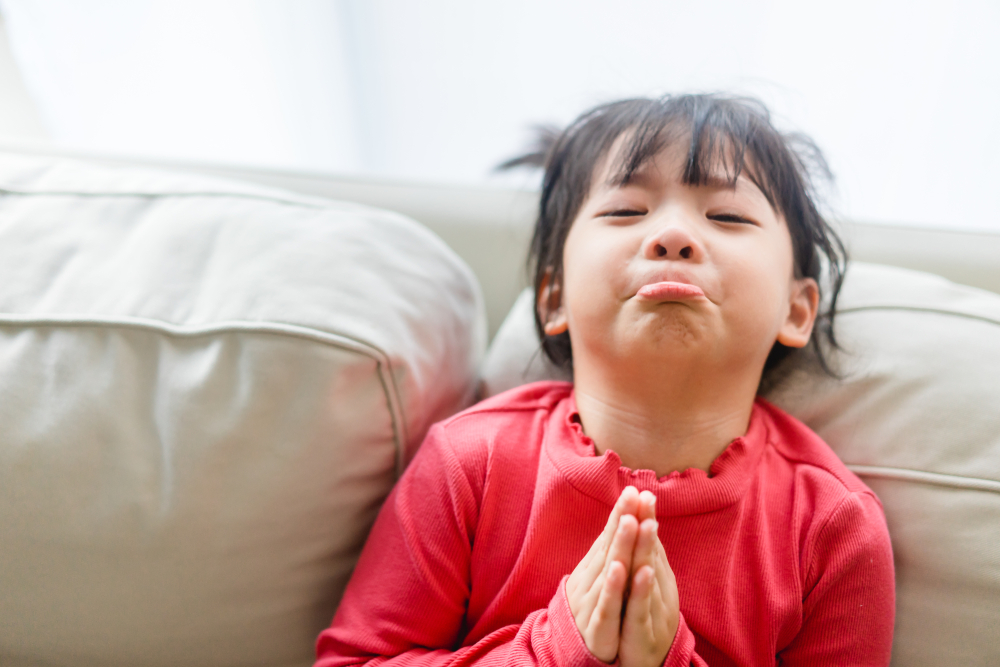
How do parents react when their children coax and pamper them, ask for different things, or play with them in a baby-like voice? Do you think children are troublesome? Or do you feel that your child is just messing around, doing nothing serious?
But why will children pamper? Research has shown that adults are particularly sensitive to the sound of pampering, so it is easier to catch their attention. It is possible that the child is pampering his parents because he needs your attention at that moment. Sometimes adults are so busy with their lives that they may neglect them, so children will pamper their parents when they see them.
Another possibility is that when children are tired or feel powerless, they may pamper or act like babies. These behaviors are very common in the growing-up stage.
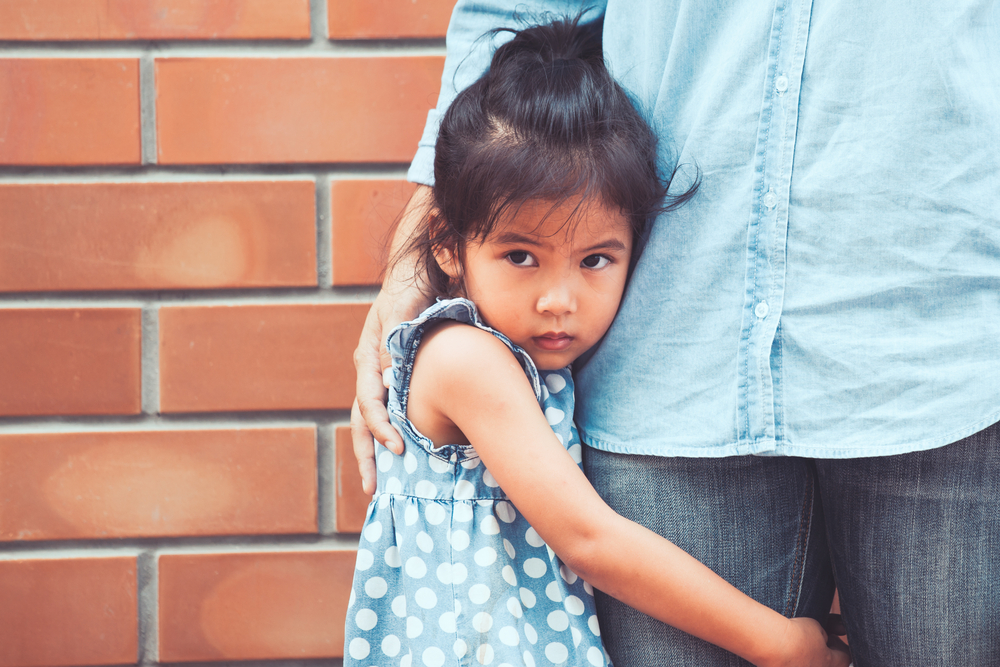
How can parents respond when their children are pampering their parents? In fact, when we understand the possibility of our children’s pampering, we know that they are not deliberately provoking parents, they can try to sit down and talk with their children to understand their needs, especially if the child is pampering because he or she is tired. We can help them express themselves with some words. For example, ask your child, “How do you feel?” “Are you very tired?” “What can I do for you?”
Of course, you may also want to reduce your child’s pampering behavior by encouraging them more, using age-appropriate words and behaviors, and praising and affirming them more often. When they are pampering you, do not scold or mock them.