最新校園資訊

受疫情影響,幼稚園在停止面授課堂期間,需要運用其他模式讓兒童在家中學習。我們慶幸幼稚園業界擁有投入及專業的團隊,即使面對前所未有的衝擊和挑戰,仍然保持積極樂觀的心態,彼此扶持。大家憑着對幼兒教育的熱忱,發揮無限創意,設計富趣味的學習活動,並協同家長的力量,幫助兒童維持學習興趣和促進身心發展。

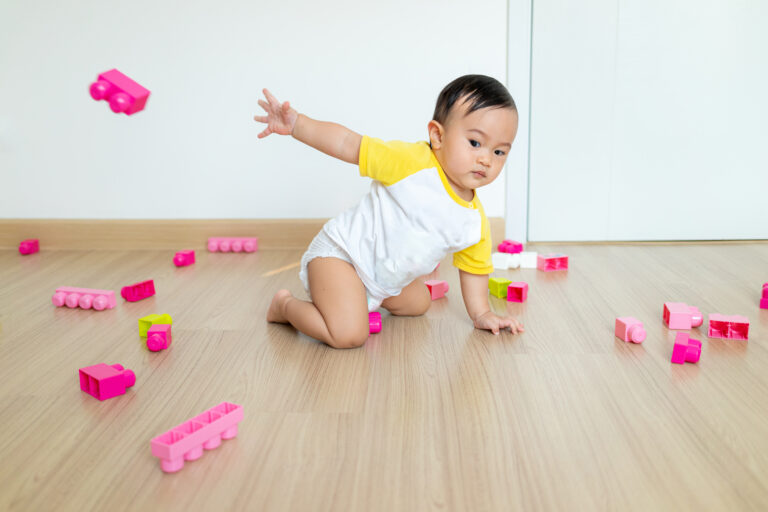
Growing up, but not willing to walk. How to improve the children’s twisting and hugging habits?

Source: Psychotherapist, Lee Wai Tong At the age of one, children gradually learn to walk. At first, children will be very excited to explore everywhere. But gradually, they will ask adults to hold them and not be willing to walk by themselves. Parents will be feeling headaches, sometimes the child may be really tired, and sometimes they just want to be held out of a sense of affection. What can parents do when their children ask for a hug? Some parents have mentioned to me that their children couldn’t walk when they were one year old, but they wanted to walk very much. When they

Read More »
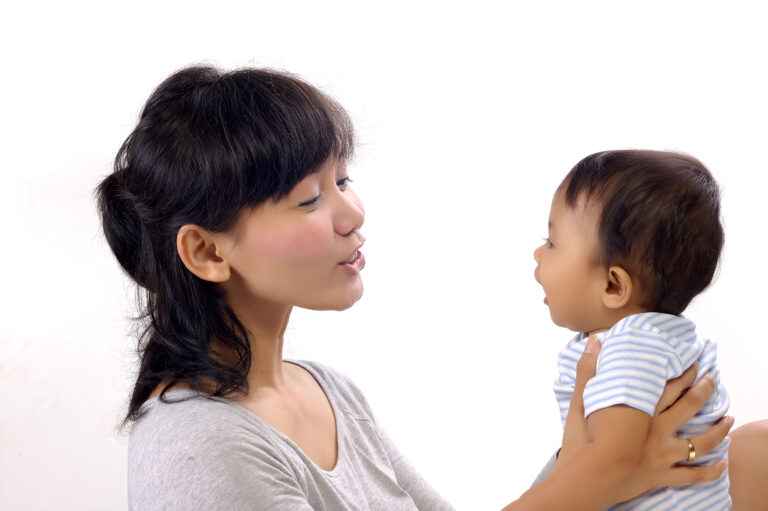
Why will children pamper?

Written by:Dr. Wilbert Law, an assistant professor in the psychology department at Hong Kong University of Education and a registered educational psychologist.    How do parents react when their children coax and pamper them, ask for different things,  or play with them in a baby-like voice? Do you think children are troublesome? Or do you feel that your child is just messing around, doing nothing serious? But why will children pamper? Research has shown that adults are particularly sensitive to the sound of pampering, so it is easier to catch their attention. It is possible that the child is pampering his parents because he needs

Read More »
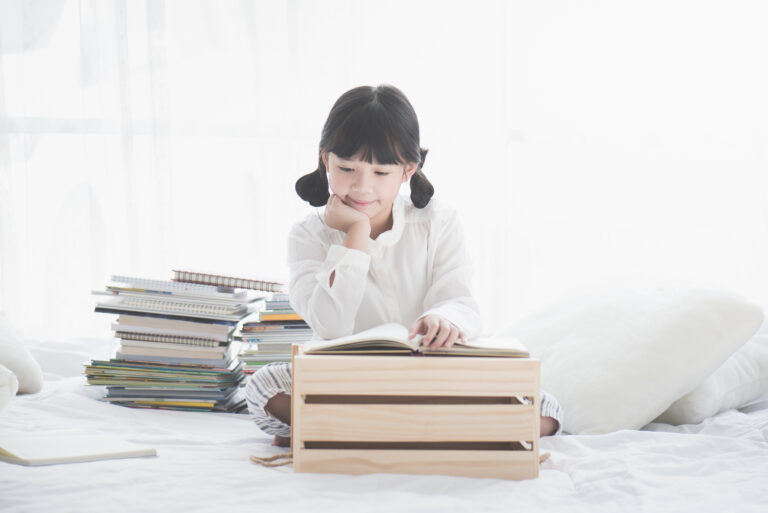
Thousands of lies to avoid doing homework. What should parents do?

Written by: Family Dynamics, Psychological Counselor, Lai Shun Mei Every time a child does homework, he or she falsely claims to have a stomachache, to go   to the bathroom, or to go to sleep—thousands of lies and excuses. Parents who value character development are naturally outraged because they have zero tolerance for dishonesty in their children. But why do children always avoid doing their homework?     Why do they have to lie to cover it up? Often, children avoid doing homework not because they don’t want to, but because they can’t. Children want to be good and smart, but when they find out they can’t do

Read More »
Letting go and letting your child become an independent person

Written by:Founder & Volunteer Director of Good Love Passion               Lam Ho Pui Yee   From childhood to adulthood, independence does not happen overnight. From the cradle to society, this journey is made up of countless small steps, and every small step in a child’s development is an opportunity for parents to learn to let go. Because we can’t be with our children all our lives and take care of them until they grow old, we as parents should know how to let go in a timely manner. The purpose of letting go is to help your child grow and become

Read More »
“No!” “Not allowed!” “No!” Does it really work?

Written by : Child Behavioral Emotional Therapist            Ip Wai Lun   Many times, parents get angry because their children don’t follow the rules or challenge some bottom line. For example, if a parent doesn’t want a child to touch something, the parent will just say, “Hey! Don’t touch it!” and “No!” and “Stop”, the child will hear many of these “No! and “No! In fact, this will often make children feel that they have done something wrong, which in turn will undermine their confidence and make them avoid doing things in the future. As a parent, what can you do to make

Read More »
What can I eat to refresh my brain and enhance my memory?

Written by : Registered Dietitian (Australia)                      Chung Yong Man   Many parents ask, “What are the best foods to help your child refresh and maintain a good memory? Carbohydrates Carbohydrates are digested and converted into glucose, which provides sufficient energy for the brain. Therefore, I recommend eating an appropriate amount of carbohydrates at each meal to maintain the effective functioning of the brain. Food sources include grains and cereals such as rice, noodles, bread, oats, etc., and high starchy vegetables such as potatoes, corn, sweet potatoes, chestnuts and taro. Choosing high-fiber grains and cereals such

Read More »
error: Content is protected !!