
受疫情影響,幼稚園在停止面授課堂期間,需要運用其他模式讓兒童在家中學習。我們慶幸幼稚園業界擁有投入及專業的團隊,即使面對前所未有的衝擊和挑戰,仍然保持積極樂觀的心態,彼此扶持。大家憑着對幼兒教育的熱忱,發揮無限創意,設計富趣味的學習活動,並協同家長的力量,幫助兒童維持學習興趣和促進身心發展。
Source:Registered Educational Psychologist, Pang Chi Wah
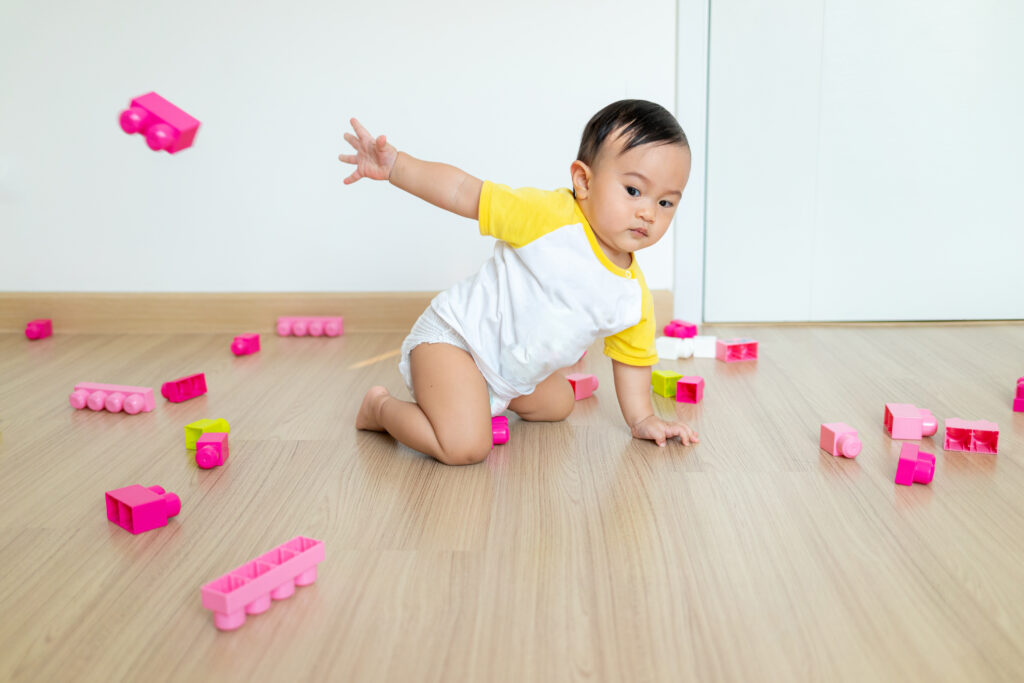
When parents encounter children in the toddler stage picking up toys, they will throw, throw, throw! In fact, this is a normal developmental process, especially between the ages of 1 and 2. Because picking up toys and throwing them causes objects fall down, it is easier to see the cause-and-effect relationship.
Pick up, let go, and there will be sound and action. The action means that after he does the action, the object will fall down and feel very funny. However, as he grows older, he should stop throwing toys. It is not appropriate for parents to stop him and say that it is wrong for him to throw toys again. He may not know what is right and wrong, but he finds it fun. Parents can appropriately let him continue to throw and set some rules so that he throws into some of the appropriate ranges. Even with the wrong color, it does not matter; at least put it back in the appropriate range.
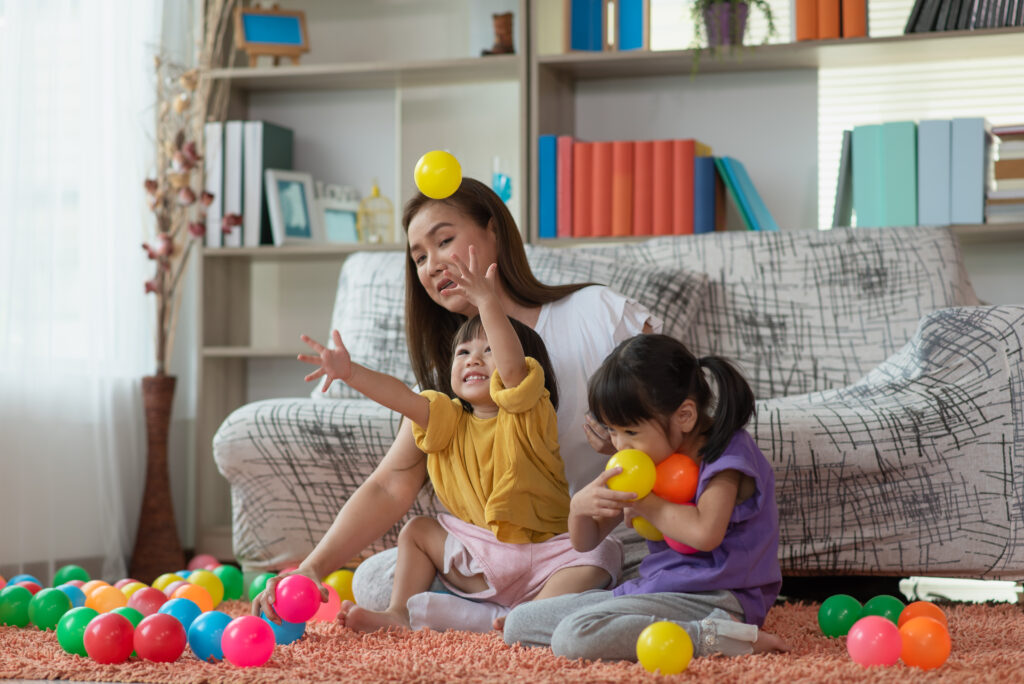
Parents can also let him throw the ball; it can be thrown relatively far away. In the home area, you can use some trays or different boxes so he can throw it in like a storage toy. Of course, ask him to be a little less forceful. Another thing that is very important is that parents remember to pay attention to the fact that if you tell him not to throw when he throws, it will strengthen his desire to throw. Because this statement is not positive enough, parents should remember that when he throws the toy, they should not say, “Do not throw the toy again.” Instead, you can say, “We try to slowly put it down.” Put it here, a little more gently.”
On the one hand, we provide opportunities for him to throw himself appropriately into the environment, and on the other hand, we speak in a positive way to guide him on what he should do so that there is a chance to improve his behavior.